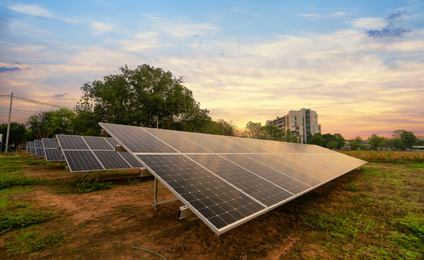

Power Smarter Live Better
Clean energy delivered efficiently to reduce waste, lower costs, and support a smarter energy future.
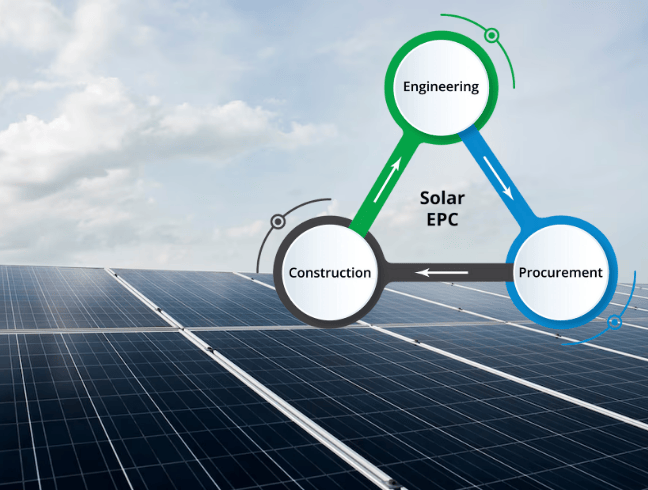
Solar EPC
Zero Energy offers end-to-end Solar EPC services including design, engineering, procurement, and commissioning of solar plants—rooftop, ground-mounted, and hybrid systems for all scales.
Our solar EPC solutions are tailored to meet commercial, industrial, and utility-scale demands with high efficiency, cost optimization, and reliable performance for long-term energy independence and decarbonization goals.
From concept to commissioning, we ensure smooth execution, intelligent integration, and post-installation support, making your transition to clean energy seamless, scalable, and aligned with your sustainability mission.
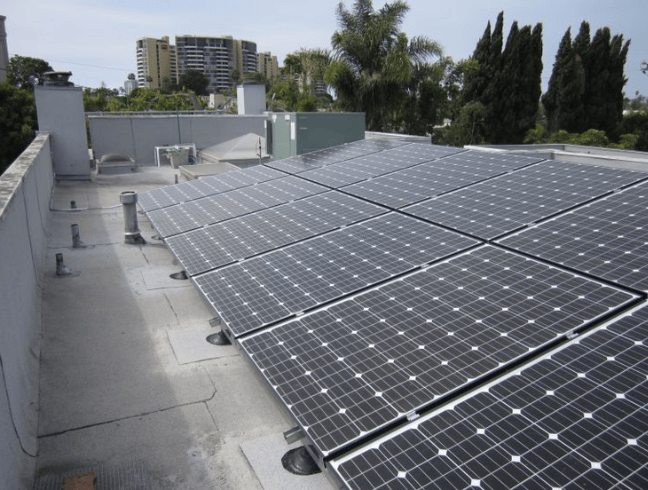
Residential Projects
We empower homes with smart residential solar solutions that reduce energy costs, minimize carbon footprints, and bring sustainable, reliable, and independent power to everyday living.
Zero Energy designs and installs customized solar systems for residential properties, making clean energy accessible and affordable. Our goal is to create energy-resilient homes for a better, greener tomorrow.
By integrating advanced technology with user-focused design, we deliver high-performance residential projects that not only save costs but also contribute significantly to building a more sustainable and eco-friendly world.
Corporate PPAs
We offer Corporate Power Purchase Agreements (PPAs) to help businesses secure long-term renewable energy at fixed costs, promoting both financial savings and sustainability.
Our PPA models allow clients to adopt solar or wind energy without upfront investment, ensuring hassle-free ownership, consistent pricing, and compliance with corporate ESG goals and carbon regulations.
Zero Energy acts as a trusted partner in structuring, financing, and delivering PPAs that are legally compliant, scalable, and customized to meet energy demand and risk preferences of enterprises.

Utility Projects
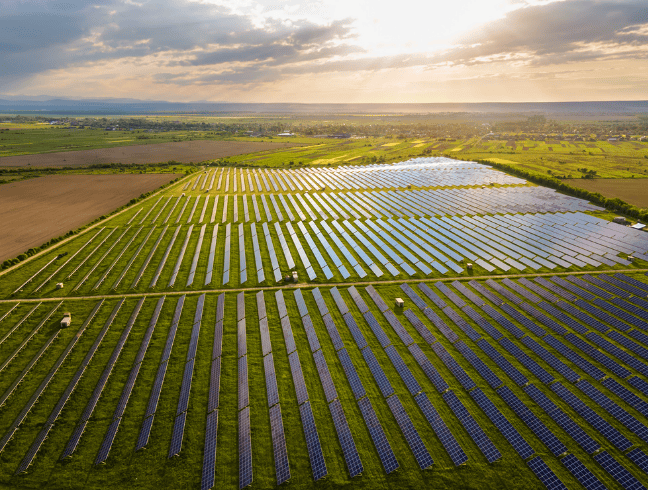
We develop large-scale utility renewable energy projects—solar, wind, and hybrid—designed to serve cities, grid operators, and energy-intensive industries with clean, reliable power.
Zero Energy’s utility-scale solutions include land acquisition, permitting, design, grid integration, and EPC services. Our projects deliver high output and align with regional and national clean energy mandates.
With deep expertise in regulatory compliance and energy infrastructure, we ensure our utility projects are future-ready, sustainable, and instrumental in transforming India’s energy landscape at scale.
Hybrid Systems
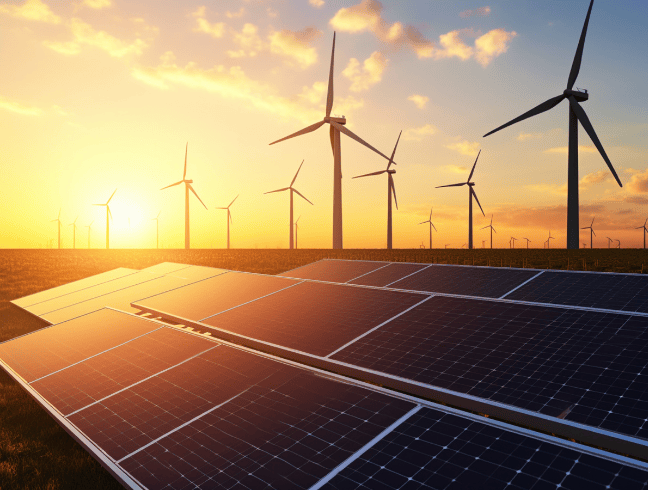
Our Hybrid Solar-Wind Systems combine the strengths of both technologies to deliver reliable, continuous power—ideal for remote areas, industries, and critical infrastructures.
Zero Energy customizes hybrid systems with integrated battery storage, ensuring power availability round-the-clock while optimizing generation and consumption through smart energy management solutions and grid support functionalities.
By blending renewable sources, hybrid solutions enhance system reliability, reduce carbon footprint, and unlock energy cost savings, empowering users with uninterrupted, clean power throughout the year.
Power Smarter Live Better
Clean energy delivered efficiently to reduce waste, lower costs, and support a smarter energy future.

We Do Residential Projects
We specialize in solar solutions tailored for homes—cutting energy costs, boosting property value, and reducing carbon footprints. Our residential projects are designed for seamless integration, long-term savings, and sustainable living.
PM Surya Ghar :
Muft Bijli Yojana
Muft Bijli Yojana
PM Surya Ghar: Muft Bijli Yojana is a government initiative launched by the Hon’ble Prime Minister of India to promote solar energy usage in residential households. Under this scheme, eligible homes can install rooftop solar panels and receive up to 300 units of free electricity per month. The government provides financial subsidies to make solar adoption affordable and aims to reduce electricity bills, promote clean energy, and contribute to a sustainable future.

Subsidy for
Residential Households
Rs. 30,000
per kW
up to 2 kW
Rs. 18,000
per kW
for additional capacity up to 3 kW
Rs. 78,000
per kW
Total subsidy for systems larger than 3 kW capped at
Subsidy for GHS/RWA
(Group Housing Society/Resident Welfare Association)
Rs. 18,000
per kW
for common facilities, including EV charging, up to 500 kW Capacity(@3 kW per house) with the upper limit being inclusive of individual rooftop plants installed by individual residents in the GHS/RWA
Suitable Rooftop Solar Plant Capacity for Households
| For special states, an additional 10% Subsidy will be applicable per kW Suitable Rooftop Solar Plant Capacity for households | |||
|---|---|---|---|
Average Monthly Electricity Consumption (units) | 0-150 | 150-300 | >300 |
Suitable Rooftop Solar Plant Capacity | 1-2 kw | 2-3 kw | Above 3 kw, 4kw & 5kw. |
PM Surya Ghar : Muft Bijli Yojana

Subsidy for
Residential Households
Rs. 30,000
per kW
up to 2 kW
Rs. 18,000
per kW
for additional capacity up to 3 kW
Rs. 78,000
per kW
Total subsidy for systems larger than 3 kW capped at
Subsidy for GHS/RWA
(Group Housing Society/Resident Welfare Association)
Rs. 18,000
per kW
for common facilities, including EV charging, up to 500 kW Capacity(@3 kW per house) with the upper limit being inclusive of individual rooftop plants installed by individual residents in the GHS/RWA
Suitable Rooftop Solar Plant Capacity for Households
| For special states, an additional 10% Subsidy will be applicable per kW Suitable Rooftop Solar Plant Capacity for households | |||
|---|---|---|---|
Average Monthly Electricity Consumption (units) | 0-150 | 150-300 | >300 |
Suitable Rooftop Solar Plant Capacity | 1-2 kw | 2-3 kw | Above 3 kw, 4kw & 5kw. |
Subsidy For Residential Household
Rs. 30,000
per kW
up to 2 kW
Rs. 18,000
per kW
for additional capacity up to 3 kW
Rs. 78,000
per kW
Total subsidy for systems larger than 3 kW capped at
Subsidy For GHS/RWA
(Group Housing Society/Resident Welfare Association)
Rs. 18,000
per kW
for common facilities, including EV charging, up to 500 kW Capacity(@3 kW per house) with the upper limit being inclusive of individual rooftop plants installed by individual residents in the GHS/RWA
Suitable Rooftop Solar Plant Capacity for Households
| For special states, an additional 10% Subsidy will be applicable per kW Suitable Rooftop Solar Plant Capacity for households | |||
|---|---|---|---|
Average Monthly Electricity Consumption (units) | 0-150 | 150-300 | >300 |
Suitable Rooftop Solar Plant Capacity | 1-2 kw | 2-3 kw | Above 3 kw, 4kw & 5kw. |
Above 6kW Solar Projects
We handle large-scale solar projects above 6kW, offering complete design and EPC services tailored for commercial needs.
- Custom Project Design
We create optimized solar designs for high-capacity systems, ensuring efficiency and compliance with commercial standards.
- End-to-End EPC Services
From planning to execution, our expert EPC solutions deliver reliable and cost-effective solar installations for businesses.


Industrial Projects
We empower industries with scalable solar energy solutions that reduce operational costs, enhance power reliability, and support sustainable growth in manufacturing and heavy operations.
Zero Energy engineers and implements robust solar systems tailored to industrial needs, ensuring high-efficiency energy output, compliance with regulations, and long-term environmental and economic benefits.
With our industrial-grade installations, businesses can manage energy consumption smartly, reduce emissions, and strengthen their commitment to clean and responsible energy practices.

Commercial Projects
We provide businesses with smart solar energy solutions that reduce utility expenses, ensure consistent power supply, and strengthen brand sustainability.
Zero Energy creates tailored solar systems for commercial buildings, retail chains, and offices, helping reduce energy bills while enhancing operational efficiency and eco-credentials.
Our solutions enable commercial enterprises to adopt clean energy without compromising performance—supporting a future-ready approach to energy savings and environmental responsibility.
Corporate PPAs
We offer Corporate Power Purchase Agreements (PPAs) to help businesses secure long-term renewable energy at fixed costs, promoting both financial savings and sustainability.
Our PPA models allow clients to adopt solar or wind energy without upfront investment, ensuring hassle-free ownership, consistent pricing, and compliance with corporate ESG goals and carbon regulations.
Zero Energy acts as a trusted partner in structuring, financing, and delivering PPAs that are legally compliant, scalable, and customized to meet energy demand and risk preferences of enterprises.
Business Model
Deferred Capex
The Deferred Capex model is a way for individuals or companies to own a solar power system without having to pay the entire cost upfront. It’s like a “pay-as-you-go” plan for solar energy, where you get the benefits of owning the solar asset—such as reduced electricity bills and environmental impact—without a large initial investment. This model makes solar more accessible, enabling more people and organizations to embrace clean energy and build a sustainable future without financial strain.
Key Benefits of Deferred Capex:
- ✅ No large upfront investment — Spread payments over time with flexible financial terms
- ✅ Immediate savings — Enjoy reduced electricity bills from day one
- ✅ Ownership advantage — You still own the system and benefit from incentives
- ✅ Promotes sustainability — A cost-effective path to a greener, cleaner future

Opex Energy Model
With the Opex model, you get seamless access to clean energy without any upfront investment or performance risk. Zero Energy owns and maintains the solar system, while you simply pay for the power you use—often 20–40% cheaper than grid rates. Our solar, wind, or hybrid solutions with storage ensure reliability, backed by a 25-year maintenance plan.
- ✅ Hassle-Free Power
No performance risks or hidden charges—just stable, clean energy delivered at lower-than-grid rates.
- ✅ Long-Term Benefits
Enjoy up to 40% savings and 25 years of maintenance-free, uninterrupted renewable energy.

Capex Model
In the Capex model, you, the power consumer, take ownership of the solar asset. Zero Energy installs the energy plant, be it an off-site wind/solar/wind-solar hybrid farm or a rooftop solar plant, while you pay for the equipment, design, installation, and commissioning costs. Under an operation and maintenance agreement, our skilled engineers assure effective plant operations with an annual contract. This approach provides advantages such as a reduced carbon footprint and a chance to claim tax benefits through rapid depreciation. Own the asset, embrace sustainability, and reap long-term rewards with the Capex model.

Group Captive Structure
With a group captive structure, multiple companies can work together to gain from a shared solar power project. They can share the expense and benefit from renewable energy by grouping to own and use the energy produced. Together, the industries, companies, or institutions – in the group can meet their renewable energy needs thanks to this concept. It results in scale economies and increased energy security. As a facilitator, Zero Energy facilitates a cooperative and sustainable approach through the Group Captive Structure. It enables everyone to have access to clean energy and promotes a more environmentally friendly future for the community as a whole.

Typical PPA vs Deferred CAPEX Model
Deferred CAPEX vs Typical Group captive PPA model have differences relating to asset ownership, captive status, accelerated depreciation benefits, payment structure, contract requirements, payables composition, etc.
| Parameter | Typical PPA Model | Deferred CAPEX |
|---|---|---|
Asset Ownership | 74% Equity Ownership by Developer26%
Equity Ownership by Customer | Transferred to customer’s books on Day 1 for an EPC advance |
Electricity Regulator viewpoint | Group Captive wherein CSS is not applicable; Additional
Surcharge might be applicable | 100% Captive asset; CSS and Additional Surcharge are not applicable |
Accelerated Depreciation benefits | Accrue to Developer | Accrue to Consumer |
Payment Structure | Payment = Tariff x Energy generation | Total Payment = Tariff x Energy generation Structured differently as: Generation linked O&M Payments (with incentives/LDs linked to generation) Part of the payment divided against and loan and generation |
Generation Risk | Payments linked to Generation | Payments linked to Generation |
GST Credit on consumption of power | Applicable as it’s Not sale of electricity | GST input credit can be availed as it is generation linked payment |
Collaterals required for lender | Customer provides BGs to SPV
Developer pledges SPV shares to lender and also hypothecates assets to lender | Customer provides BGs to candi
Customer hypothecates asset in favor of lender |
Contracts Required | Power Purchase Agreement Investment agreement for 26% Equity requirements Group Captive | Supply, loan & hypothecation Agreement Land Lease Agreement Generation linked O&M Agreement |
Land | Owned by Developer | Owned by Developer Leased to Consumer for nominal value |
Let’s Power Your Property with Solar
Fill out this quick form to help us understand your energy needs, property type, and usage patterns so we can recommend the most efficient, cost-effective solar solution customized to deliver long-term savings and energy independence for you.

Our Proven Path to
Energy Excellence
We follow a streamlined, tech-driven process to deliver clean, scalable, and efficient energy solutions—customized to align with your unique sustainability goals, operational needs, and long-term environmental impact targets.
Consult & Assess
Design & Engineer

Deploy & Integrate